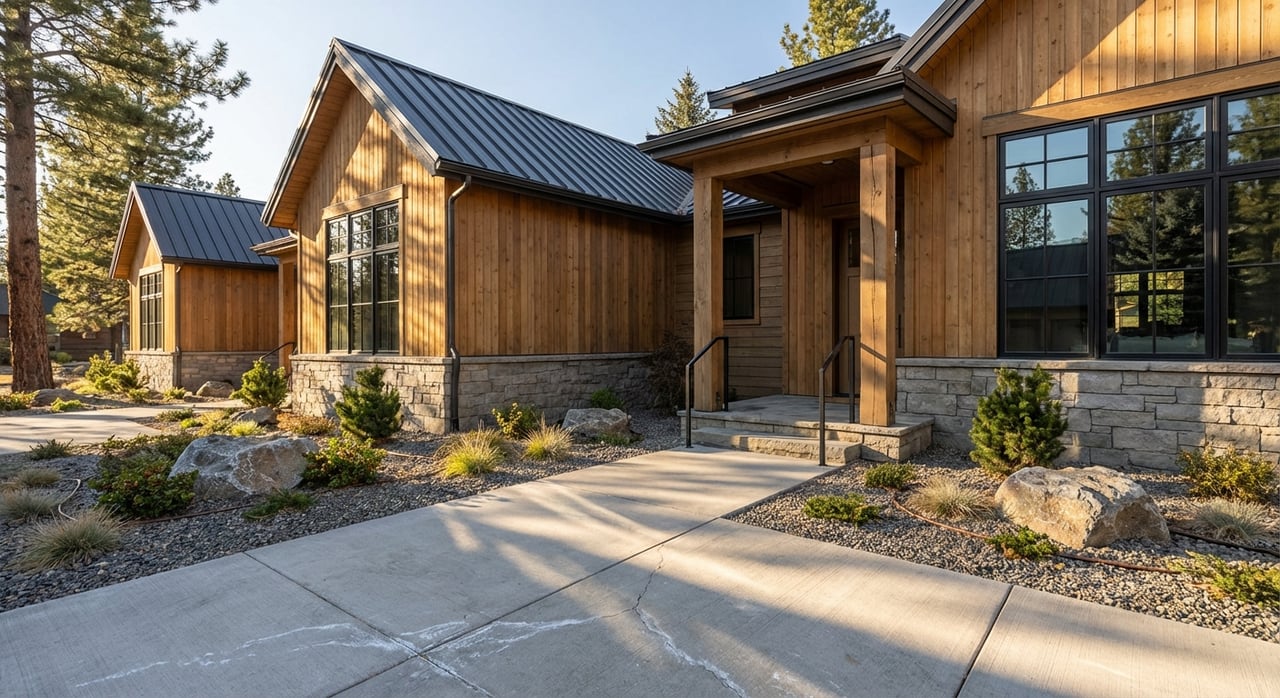
Tired of spending weekends on yard work when you would rather be on the trails or the slopes? If you are downsizing, relocating, or juggling a busy schedule, low-maintenance living in Bozeman can free up your time without giving up the Montana lifestyle you love. In this guide, you will learn how condos, townhomes, and HOA-managed single-family homes compare, what HOA fees typically cover, how condo financing works, and which due-diligence steps help you buy with confidence. Let’s dive in.
Why low-maintenance works in Bozeman now
Bozeman’s market has cooled from the post-pandemic peak, yet it remains one of Montana’s higher-priced areas. For many buyers, condos and townhomes create an attainable path into the market compared with traditional single-family homes. Inventory has improved since 2024–2025 in many segments, which has created more room to negotiate and compare options.
Condo and townhome prices generally sit below single-family medians in the greater Bozeman area. That price tier, paired with smaller footprints and included exterior services, is why low-maintenance homes appeal to downsizers and busy professionals. Keep in mind, Montana is a non-disclosure state for sale prices. You are not required to tell the state what you paid for your home or property. Because the Realty Transfer Certificate is confidential, verified sold data lives in the MLS. Your agent will rely on professional MLS data to build comps and guide offers. You can read more about Montana’s non-disclosure framework in the state’s Realty Transfer Certificate guidance from the Department of Revenue’s portal for Form 488, which explains why public records do not display sale prices (Montana Form 488 overview).
What low-maintenance homes look like here
Condos: urban or close-to-it convenience
Condominiums include multi-unit buildings and attached single-level units. Around Bozeman, you will see them near retail corridors, in south-side neighborhoods, and in select infill locations closer to downtown. Many modern condos offer off-street or covered parking, in-unit laundry, and common-area upkeep handled by the HOA.
Condos typically deliver the leanest maintenance profile. You will often find snow removal, exterior building care, and a master insurance policy included in the dues. Higher-fee buildings may add features like a fitness room or community space. If elevator access or single-level living matters to you, condos are a strong fit.
Townhomes: more space, still light on chores
Townhomes feel more like small single-family homes but keep exterior responsibilities limited. Newer builds frequently include two-car garages and small yards that the HOA maintains or that require minimal care. For many buyers, townhomes strike the right balance of privacy, storage, and low upkeep.
Expect to see attached layouts with modern finishes and efficient floor plans. Dues often cover snow removal, shared landscaping, and road or alley maintenance, with owners taking care of interior systems. If you want a private entry and more storage without a big yard, townhomes can be ideal.
HOA-managed single-family: detached with help
Some newer subdivisions offer detached homes where the HOA handles key exterior tasks. Services can include landscaping in common areas, irrigation system maintenance, snow removal on private streets, and even limited exterior upkeep depending on the community. You get the feel of a house with fewer weekend projects.
These homes usually come at a premium to condos and townhomes, yet they can compare favorably to traditional stand-alone houses when you factor in services and time savings. If you want a yard without dedicating your free time to it, this model is worth a close look.
What HOA fees cover and how to budget
Most Bozeman-area HOA or condo dues fund three buckets: day-to-day services, insurance on shared structures, and long-term reserves. Typical inclusions are exterior maintenance, roof or building coverage under a master policy, snow removal, trash, landscaping of common areas, road or lighting upkeep, and HOA management. Some communities include water, sewer, or other utilities, but that varies by project.
As of recent listings, many 1–3 bedroom condos and townhomes in Bozeman show monthly dues in the range of about 250 to 450 dollars, with larger or more amenitized buildings trending higher. Exact figures change by project and can vary year to year. Always review the current budget and fee schedule before you write an offer.
Two key tips will help you budget well:
- Confirm what the dues include and what you still pay separately. Ask specifically about utilities, internet, and insurance requirements.
- Review the reserve plan. Healthy reserves reduce the risk of surprise special assessments for big-ticket items like roofs or building envelope work. Industry best practices explain why consistent reserve funding matters for stable dues and building care (reserve funding guidance).
Reserves, risk, and project health
A financially sound association protects both your budget and your future resale. Lenders pay close attention to reserve balances, owner delinquency rates, ongoing litigation, and the share of investor or short-term rental units. Projects with thin reserves or high delinquency can face special assessments and may limit which loans are available.
Federal agency guidelines outline these risk flags. FHA, VA, and conventional investors like Fannie Mae expect associations to keep adequate reserves and manageable delinquency levels. They also want clarity on construction defects or lawsuits. If a project is in litigation or has many owners behind on dues, lender options can shrink or require extra documentation. You can find broader FHA policy context in the FHA Single-Family Housing Policy Handbook (FHA Handbook 4000.1).
Financing: what to check early
Condo financing adds one extra step: the project has to qualify for your loan type. Checking this early can save time and stress.
- FHA loans. FHA insures mortgages for units in approved condominium projects or via single-unit approvals in certain cases. Use HUD’s search to check a building’s status and talk to your lender about single-unit options if the project is not on the list (HUD condo lookup).
- VA loans. The VA also maintains a list of approved condo projects. If you plan to use VA entitlement, confirm the project’s status with your lender and the VA resources before you offer (VA condo eligibility overview).
- Conventional loans. Fannie Mae and Freddie Mac have project-eligibility standards. Some communities are pre-approved under programs like Fannie Mae’s Project Eligibility Review Service, while others can pass a limited or full review during underwriting (Fannie Mae PERS overview).
Remember, lenders count HOA dues in your monthly housing expense. Higher dues can affect your debt-to-income ratio and maximum approved price. A quick conversation with a local lender early in your search will help align your budget with real project options (how lenders view monthly obligations).
Resale in Bozeman: what to keep in mind
Condo and townhome values in Bozeman often track single-family trends but can move differently in the short term. In recent periods, attached homes have shown flatter price changes than detached homes in some submarkets. Strong resale performance tends to follow well-managed associations, healthy reserves, accessible financing across loan types, and clear leasing rules.
If you think you might sell in a few years, pay extra attention to the project’s financials and approval status. A building that is FHA/VA friendly, well-funded, and responsive to maintenance tends to attract a wider buyer pool in all markets.
A practical due-diligence checklist
Request these items from the seller or the HOA/management company during your review period:
- Current-year budget and 2–3 years of financial statements. Look for reserve balances and operating surpluses or deficits.
- The latest reserve study and any funding plan or schedule for major components (reserve study primer).
- CC&Rs, bylaws, rules and regulations, and all amendments. Confirm leasing terms, pet rules, and any short-term rental policy.
- Master insurance policy declarations. Verify what the master policy covers and what your personal condo policy must cover inside the unit.
- Board meeting minutes from the past 12 months. Scan for upcoming projects, repairs, or community disputes.
- A statement of owner delinquency levels and any pending or recent special assessments.
- A letter about pending litigation or claims impacting the association.
- Management company details and the current management contract.
- Parking assignments, storage rights, and guest parking rules.
- For financing: FHA/VA approval status and any conventional project-review documents. Use HUD’s condo lookup for FHA status and confirm VA approval with your lender and the VA site (FHA lookup, VA overview).
Plan for standard inspections, with special attention to building envelope, roof, drainage, garages, and any shared mechanical systems. If you encounter complex legal questions or major-issue litigation, speak with a Montana real estate attorney familiar with the state’s Unit Ownership Act, which governs condominiums and defines lien rights for unpaid assessments (Montana Unit Ownership Act).
Who benefits and how to choose
- Downsizers and retirees. Prioritize single-level living or reliable elevator access, strong reserves, low delinquency, and covered parking. Clarify guest and storage arrangements and how the master insurance works with your policy.
- Busy professionals. Focus on commute efficiency, responsive management, snow removal, and package security. A well-run HOA keeps maintenance off your to-do list.
- Investors and second-home buyers. Lending rules for condos weigh owner-occupancy levels, delinquency, and litigation. Short-term rental rules vary by project and can influence financing and demand. Confirm the community’s policies and lender requirements before you model revenue.
Next steps in Bozeman
If you want a lock-and-leave home base and more time for Montana life, Bozeman offers a full spectrum of low-maintenance options. Because Montana is a non-disclosure state, your best next step is to review live MLS data, building financials, and loan eligibility with a trusted local advisor. When you are ready to compare real listings, tour neighborhoods, and run the numbers, reach out to Kelley Schlauch for a clear, local game plan.
FAQs
What is the difference between a Bozeman condo and a townhome?
- A condo typically includes shared ownership of common areas with the HOA covering most exterior work, while a townhome feels more like a small house with limited exterior chores still handled by the HOA; both reduce maintenance compared with detached homes.
How much are HOA fees for Bozeman condos and townhomes?
- Many recent listings show monthly dues in the 250 to 450 dollar range for 1–3 bedroom units, with larger or amenity-rich buildings costing more; always verify current dues and inclusions in the project’s budget.
How do FHA and VA loans work for Bozeman condos?
- FHA and VA require project approval or single-unit review in some cases; check a building’s FHA status on HUD’s lookup and confirm VA approval with your lender to avoid delays.
What should I review in HOA documents before buying a condo in Bozeman?
- Focus on the budget, reserve study, delinquency rates, rules for leasing and pets, pending litigation, and recent board minutes to spot upcoming projects or assessments.
Do HOA dues affect my mortgage pre-approval?
- Yes; lenders include monthly HOA dues and any known assessments in your housing expense, which can change your debt-to-income ratio and approved price.
Are Bozeman condos good for short-term rentals?
- It depends on the project’s rules and lending considerations; verify the community’s short-term rental policy and how occupancy levels might affect financing and resale before you rely on rental income.