Thinking about a brand-new home in Belgrade but not sure where to start? You are not alone. With so many new neighborhoods coming online, it can be hard to compare locations, timelines, and what is really included. In this guide, you will learn where growth is happening, what new-build homes typically offer, how approvals affect move-in timing, and the key documents to review so you can buy with confidence. Let’s dive in.
Where Belgrade is growing now
Most current growth clusters in northwest Belgrade near the Bolinger Road and Story Creek corridor, with activity extending toward the airport. City subdivision packets show multiple phased plats and required public improvements, including sidewalks, shared-use paths, and road upgrades. You can see an example of how those conditions are documented in the Ashton Meadows improvements agreement from the City of Belgrade. Review the Ashton Meadows packet for context.
Commercial growth near the I-90 and Airway Boulevard interchange is also important. The West Post mixed-use subdivision has recorded commercial pads that help anchor services and jobs on Belgrade’s west side. That infrastructure often signals and supports nearby residential development. See the West Post approval details.
Key projects to know
- Prescott Ranch. A master-planned community with a mix of single-family and townhomes. It is one of Belgrade’s larger ongoing developments.
- Bridger Heights. A multi-phase residential subdivision near Story Creek with active building and recorded improvements agreements. View a recent Bridger Heights packet.
- Ashton Meadows. Phase 1 final plat includes 117 lots, with 49 single-family and 68 townhouse lots, plus park dedication and public improvement conditions. Read the Ashton Meadows improvements agreement.
- Cloverleaf Meadows and similar townhome projects. Expect compact lots, HOA oversight, and one-to-two-story townhome product in the mix.
- River Rock. An established POA-governed community south of I-90. It provides a useful contrast to newer in-city plats, especially for long-running HOA operations. Visit the River Rock POA site.
What new builds look like
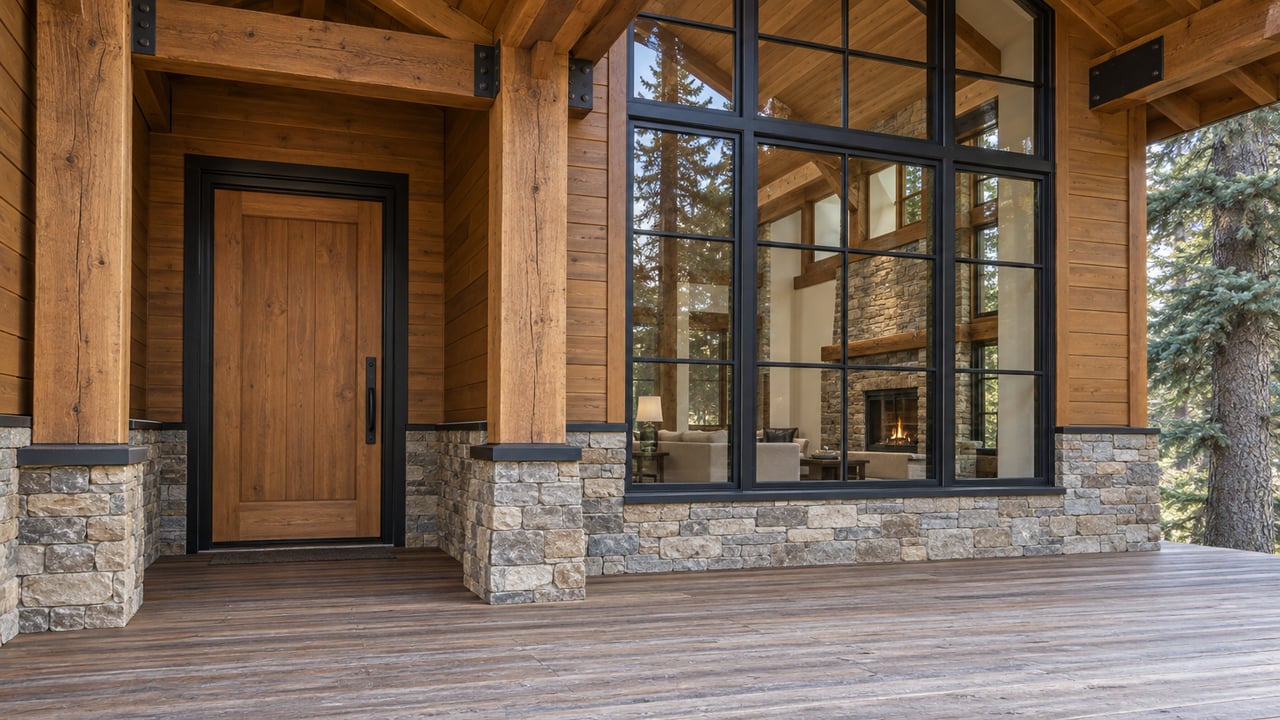
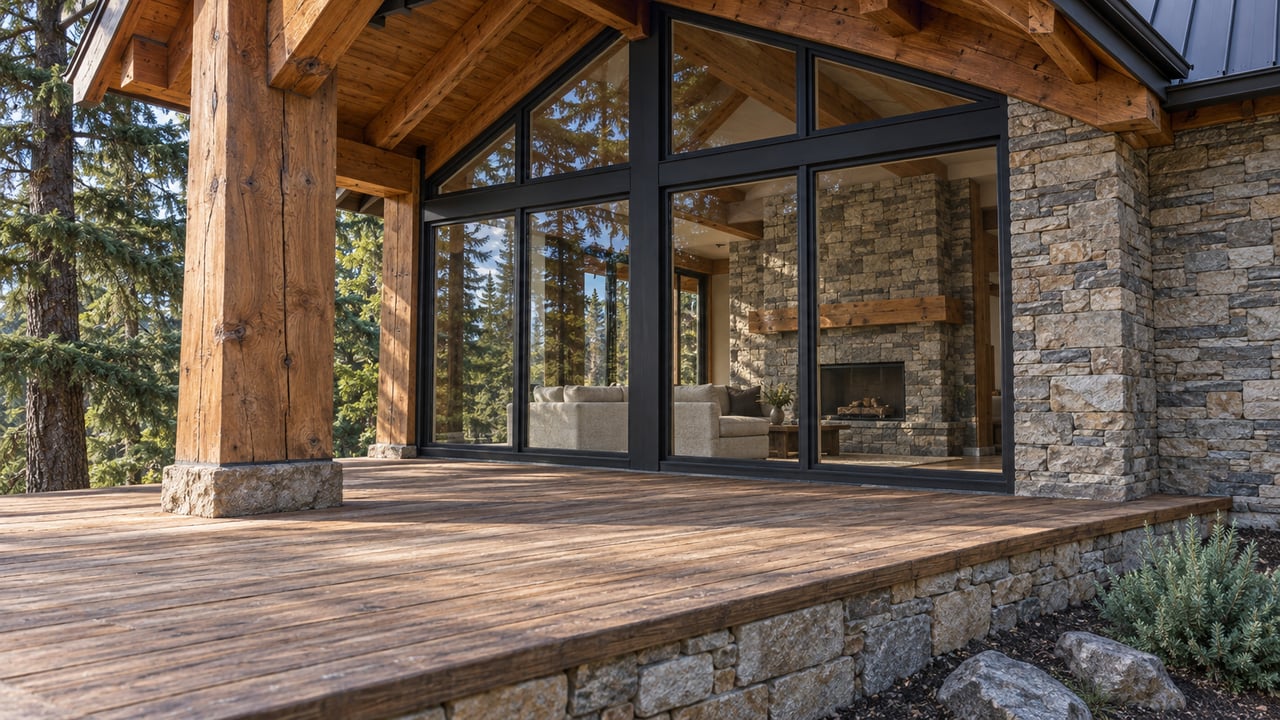
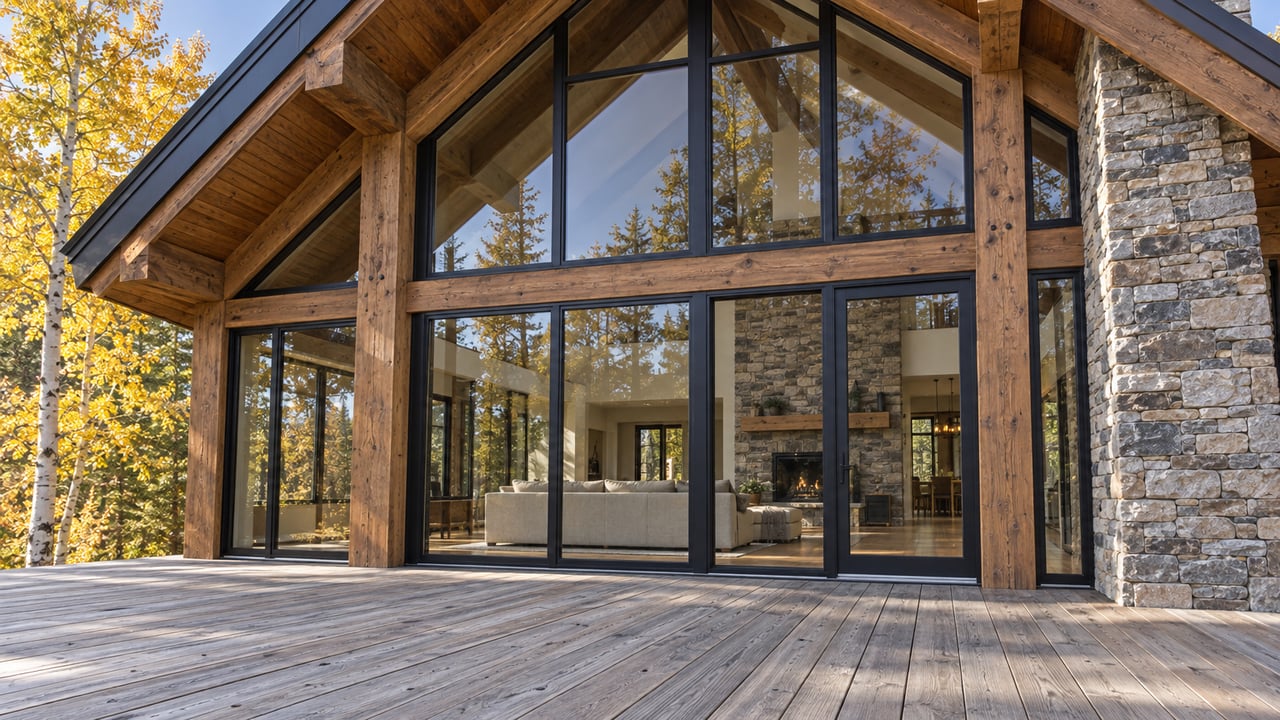
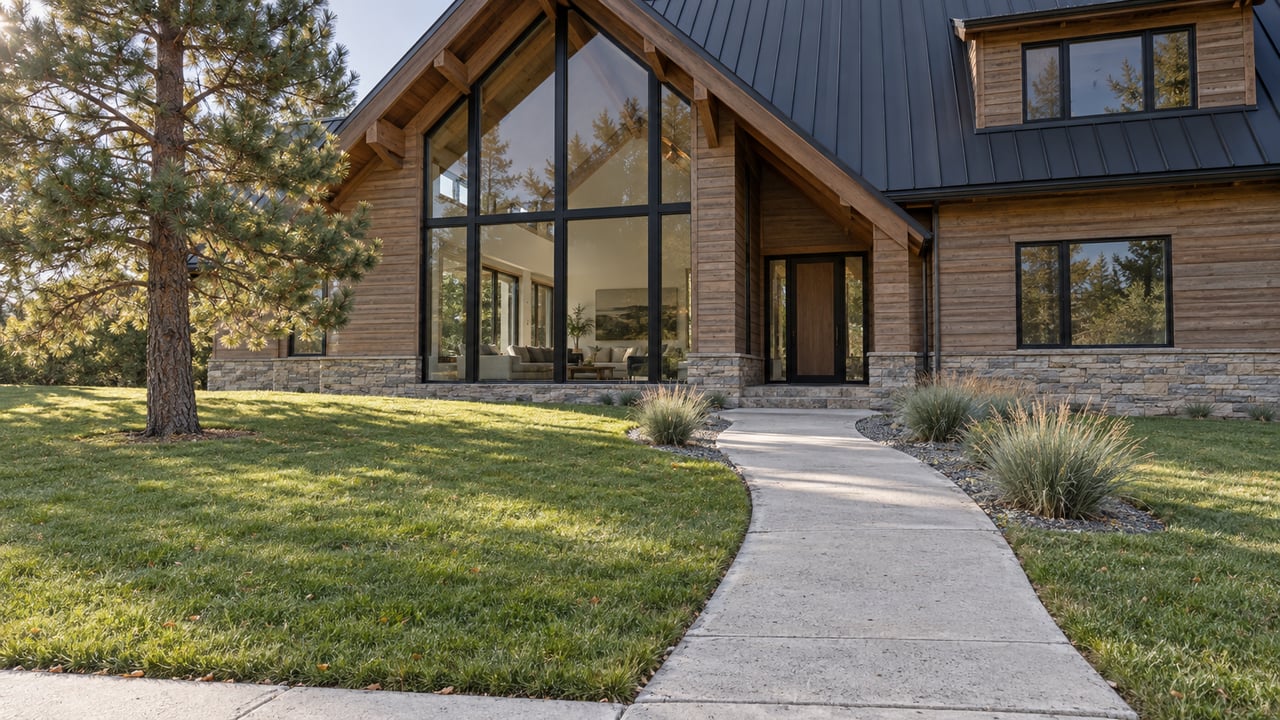
Belgrade’s new-build mix is still led by single-family homes, but you will see more townhomes and duplex options than in older Bozeman resale areas. Many master-planned communities set aside lots for attached housing and some multi-family pads. That gives buyers more choices at a range of sizes and price points.
Floor plans lean modern and functional. Common options include single-level ranch plans around 1,200 to 1,600 square feet and two-story plans from roughly 1,500 to 2,700 or more. Expect open great room and kitchen layouts, a main-level primary suite option, and attached two-car or even three-car garages sized for outdoor gear. To see examples and sizes, browse local builder plan pages like Bridger Homes.
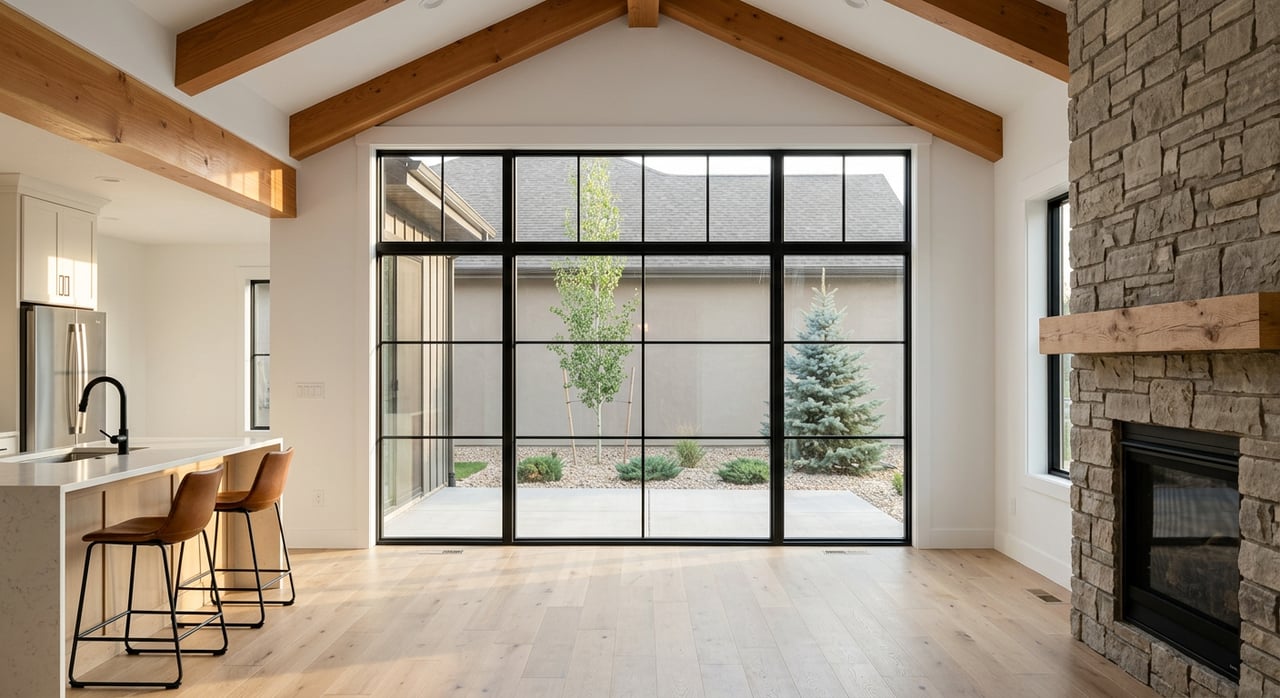
Finishes typically include quartz or granite counters, engineered wood or LVP flooring, gas fireplaces, and builder-installed landscaping. Many builders emphasize energy-efficient envelopes and code-compliant mechanical systems. The City of Belgrade confirms recent code adoptions and permitting standards in its Building FAQ. Check the City’s FAQ for permitting and code basics.
Prices and value context
As a general market reality, recent Belgrade medians have trended lower than central Bozeman, even as both have climbed in recent years. That is one reason buyers compare new Belgrade product with older Bozeman homes. New construction often trades at a different price per square foot and can offer lower near-term maintenance. When you are ready to compare neighborhoods, ask for a current, apples-to-apples comps list that separates new-build Belgrade from older Bozeman resale inventory.
Approvals and timelines to expect
New neighborhoods move forward in phases. The City of Belgrade often grants preliminary plat approval, then requires developers to complete or guarantee public improvements such as curbs, storm drainage, sidewalks, and park dedications before final plat or building in later phases. The Ashton Meadows agreement is a detailed example that spells out deadlines, letters of credit, and park and water-system conditions. Read how the City conditions approvals.
There are usually three overlapping timelines: the developer’s public-improvement schedule, the builder’s construction timeline, and the City’s inspection and recording steps. Because some improvements may be guaranteed for completion at a later date, confirm whether sidewalks, road surfacing to final grade, and common-area landscaping are finished or scheduled. In Montana, winter weather can slow exterior work. National averages put many spec builds around six to nine months, with custom homes taking longer. Always confirm the specific builder’s lead times at contract.
What to verify before you move in
- Which public improvements are complete versus bonded to be finished later. Get expected completion windows in writing. City agreements show how these guarantees work.
- Whether road surfacing, sidewalks, street lighting, and park landscaping are at final grade or still pending.
- Whether construction or landscaping in adjacent phases will affect your access, dust, or noise in the first year.
HOAs, covenants, and utilities
Many newer phases in Belgrade use Covenants, Conditions and Restrictions, plus an HOA, to manage open space, design review, and maintenance. The City typically requires covenants to be submitted during plat review. Before you commit, read the recorded CCRs for rental policies, exterior design rules, pet and animal standards, maintenance obligations, and how special assessments work. See how the City references covenants in approvals.
If you are considering a condominium or a townhome regime, Montana’s Unit Ownership Act provides the statutory framework for condos. HOA governance in Montana remains largely covenant driven, so it is important to rely on the recorded documents for your specific community and consult counsel when needed. Read Montana’s Unit Ownership Act overview.
Utility setups can differ by subdivision. Some communities connect to City of Belgrade water and sewer. Others, like long-established River Rock, operate with their own service districts and POA governance. Developers may also be required to expand capacity or add wells as phases progress. Ask which entity provides water, sewer, and stormwater maintenance, and whether later-phase capacity improvements are planned. City packets outline water and capacity conditions.
Warranties and builder support
Most production builders use a written warranty program that commonly follows a 1-2-10 pattern. That often means one year of workmanship coverage, two years for mechanical and distribution systems, and a limited 10-year structural warranty. Ask if the warranty is backed by a third-party provider and if it is transferable. Do not rely on verbal promises. Request the builder’s written warranty booklet and claims process. Learn how 1-2-10 warranties work.
Buyer checklist for touring new builds
- Who is the builder and what is their service process after closing. Browse their site for completed projects and a post-occupancy contact.
- Is there a written new-home warranty. Who backs it and is it transferable. See common warranty structures.
- What are the HOA dues, billing frequency, and inclusions. Ask for the current budget or reserve plan.
- What is public versus HOA owned. Who clears snow, maintains streets, and irrigates boulevards. City plats and agreements show dedications.
- Are any public improvements still bonded. If so, what is the expected window for completion. Confirm timelines in writing.
- Are there recorded easements, no-access strips, or irrigation-ditch setbacks on the plat that limit fences or additions. Example plat notes appear in City packets.
- What are the rules for short-term rentals and exterior changes like solar, sheds, or fencing. If there is a design review board, what is the approval timeline. See a sample HOA design guideline structure.
- Who provides water and sewer, and are capacity upgrades required for later phases. City documents outline utility conditions.
- For pricing context, review live comps that separate new-build Belgrade from older Bozeman resales.
The bottom line
Belgrade’s recent growth clusters northwest of town near Story Creek and toward the airport interchange at West Post, with master-planned projects like Prescott Ranch, Bridger Heights, and Ashton Meadows producing much of today’s inventory. If you want newer, move-in-ready homes on smaller lots with more townhome choices than older Bozeman resale areas, Belgrade is worth a close look. The smartest buyers insist on written warranties, read the recorded CCRs, and confirm which public improvements are complete versus guaranteed by the developer. For current pricing and timelines, pair on-the-ground tours with live comps and the subdivision’s city packet. Start by reviewing an example City agreement.
Ready to compare neighborhoods and builders with a local guide who knows the details behind each plat and HOA. Reach out to Kelley Schlauch to get clear next steps, curated tours, and a plan that fits your timeline.
FAQs
Where is most new construction happening in Belgrade, Montana
- Current city records show the most activity northwest of town in the Bolinger Road and Story Creek corridor and near the I-90 and Airway Boulevard interchange that includes the West Post mixed-use area.
What types of homes are common in new Belgrade subdivisions
- You will see a majority of single-family homes plus a rising share of townhomes and duplexes, with compact lots and modern open-concept floor plans in the 1,200 to 2,700 square foot range.
How long does it take to build or close on a new home in Belgrade
- Timelines vary by builder and phase, but many spec homes run around six to nine months nationwide, with additional time possible due to Montana weather and city inspection or recording steps.
What should I review before buying in a new subdivision
- Read the City packet for the subdivision, the recorded CCRs, and the builder’s written warranty, and verify which public improvements are finished versus bonded for later completion.
How do HOAs and utilities typically work in Belgrade new builds
- Many new communities use HOAs and CCRs to manage design and open space, while utilities may be City-provided or managed by a separate district; always confirm who maintains water, sewer, streets, and parks in writing.