If your ideal winter morning starts with fresh snow, a quick drive to the lifts, and mountain views the whole way, living in Bridger Canyon may already be on your radar. This area offers something many ski lovers want: easy access to downhill and Nordic recreation without giving up the quieter feel of a rural mountain corridor. In this guide, you’ll learn what life in Bridger Canyon really looks like, from ski access and trail options to winter driving and day-to-day practicalities. Let’s dive in.
What Bridger Canyon Is Like
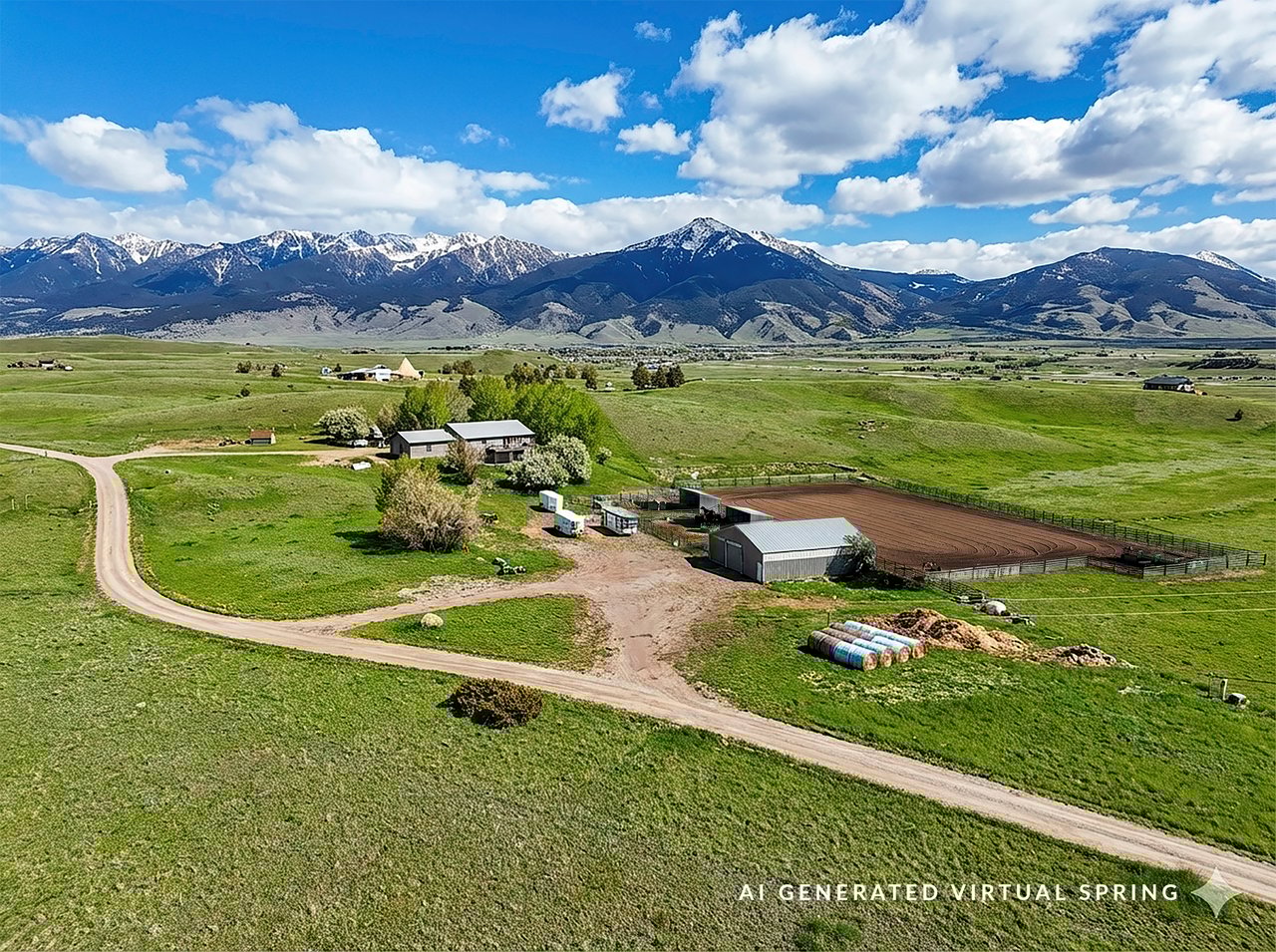
Bridger Canyon is best understood as the MT-86 corridor northeast of Bozeman, not a dense resort village with a central downtown. According to the Montana Department of Transportation’s Bridger Canyon study area overview, the corridor stretches from MT 86 and Story Mill Road to US 89 and includes private homes, ranches, public forest land, trailheads, campgrounds, Bohart Ranch, and Bridger Bowl.
That official description helps explain the area’s appeal. You get a rural, low-density setting with direct access to outdoor recreation, but your daily routine still depends on a mountain road and changing weather. If you want a home base that feels quieter than a resort core, Bridger Canyon stands out.
Why Ski Lovers Choose Bridger Canyon
For many buyers, the biggest draw is simple: you can live close to one of southwest Montana’s most recognizable ski areas. Bridger Canyon gives you easier access to winter recreation while keeping you connected to Bozeman and the wider Gallatin Valley.
That mix is especially attractive if you want skiing to be part of your regular lifestyle, not just an occasional weekend plan. Instead of building your schedule around a long drive, you can focus on making the most of the season.
Bridger Bowl Is the Anchor
Bridger Bowl is the anchor amenity in the canyon. The ski area describes itself as a nonprofit, community-driven mountain operating under a special use permit with the Custer Gallatin National Forest.
Its current mountain stats include 2,000 acres of skiable terrain, 2,700 feet of vertical rise, more than 75 trails, and average seasonal snowfall of 300 inches. If you are looking for a location where skiing can become part of your weekly routine, that kind of access is a major reason Bridger Canyon gets so much attention.
Nordic Access Adds Variety
If your version of a perfect winter includes groomed Nordic trails, Bridger Canyon offers more than alpine skiing. Crosscut Mountain Sports Center sits 17 miles up Bridger Canyon Road and offers more than 45 kilometers of trails groomed daily.
Crosscut also supports cross-country skiing, biathlon, snowshoeing, fatbiking, and adaptive winter sports. That gives residents a wider range of winter options, whether you want a hard workout, a quiet snowshoe outing, or a second activity when lift skiing is not on the agenda.
Four-Season Recreation Matters Too
A ski-forward location is great in winter, but many buyers also want to know how the area feels the rest of the year. Bridger Canyon holds up well because the broader trail network supports hiking and mountain biking access too.
According to the Custer Gallatin National Forest trailhead information, nearby access points include Battle Ridge, Fairy Lake, Brackett Creek, and Sypes Canyon. These trailheads connect to routes in the Bridger Range, the Bridger Foothills National Recreation Trail, Ross Pass, and nearby mountain areas.
Popular Trail Access Points
Here are a few of the key recreation access areas mentioned by the Forest Service:
- Battle Ridge Trailhead for access toward Ross Pass and the Bridger Foothills National Recreation Trail
- Fairy Lake for access to higher peaks in the Bridger Range
- Brackett Creek for east-side Bridger and Bangtail trail options
- Sypes Canyon for southern Bridger access and the Bridger Foothills Trail
This matters if you are not only buying for ski season. Bridger Canyon appeals to people who want year-round recreation close to home.
Daily Life Runs on Mountain Timing
One of the most important things to understand about living in Bridger Canyon is that convenience comes with mountain-road logistics. The same landscape that makes the area beautiful and recreation-rich also requires more planning, especially in winter.
This is not a walkable resort center where most errands happen a few blocks away. It is a rural corridor, and that shapes how you think about commuting, supplies, weather, and travel time.
Winter Driving Is Part of the Lifestyle
The Montana Department of Transportation winter road conditions page notes that winter road conditions are reported at least twice daily during the November through April reporting season and can change quickly. MDT also advises drivers to allow extra time, clear snow and ice from vehicles, slow down, watch for ice on bridges and in shaded areas, and give snowplows plenty of room.
For a buyer, that means winter readiness is not optional. If you live in Bridger Canyon, you should expect to pay attention to forecasts, road reports, and storm timing as part of your normal routine.
Wildlife Crossings Are a Real Factor
The final Bridger Canyon corridor study also highlights wildlife movement and animal-vehicle conflicts as key issues. It specifically notes that elk are often seen crossing the road in winter near Kelly Canyon and around Bridger Canyon Spur Road and Jackson Creek Road.
That does not mean the road is unmanageable. It does mean attentive driving matters, especially during winter and lower-light conditions when wildlife activity can affect travel.
A Helpful Option for Powder Days
One practical advantage for residents and regular skiers is that you may not need to drive every time conditions are good. Bridger Bowl’s getting here page explains that the mountain offers free winter bus service from Bozeman, along with park-and-ride and shuttle options.
That can be a meaningful benefit on busy snow days. If you want ski access with a little less vehicle dependence on peak days, this service adds flexibility to the lifestyle.
Who Bridger Canyon Fits Best
Bridger Canyon tends to fit buyers who care as much about access and setting as they do about the house itself. If you picture your home as a launching point for skiing, trail days, and mountain scenery, this corridor can be a strong match.
It may be especially appealing if you want:
- Quick access to Bridger Bowl and Nordic recreation
- A rural residential feel rather than a dense village setting
- Proximity to public land and trailheads
- A home base that supports a four-season outdoor lifestyle
At the same time, it helps to be realistic. Living here often means more driving, more weather awareness, and more planning than you might need in a more in-town setting.
Questions to Ask Before You Buy
Before you buy in Bridger Canyon, it helps to think beyond the ski access and focus on how the location will work for your full routine. A beautiful setting and quick path to the mountain are valuable, but your day-to-day comfort matters just as much.
Consider questions like these:
- How often will you be commuting in winter conditions?
- Are you comfortable with a rural mountain-road setting?
- How important is direct access to skiing compared with in-town convenience?
- Will you use the trail network and recreation access year-round?
- Do you want the option of using Bridger Bowl’s bus or park-and-ride service?
These are practical questions, but they are also lifestyle questions. The right property in Bridger Canyon is often about matching your habits and priorities to the setting.
Why Local Guidance Helps
In an area like Bridger Canyon, real estate decisions are closely tied to lifestyle details. Road access, seasonal patterns, recreation priorities, and how often you plan to travel into Bozeman can all shape what feels like the right fit.
That is where local guidance can make the process easier. When you understand both the appeal and the practical side of the canyon, you can buy with more confidence and fewer surprises.
If you are thinking about buying or selling in Bridger Canyon, Kelley Schlauch can help you evaluate the lifestyle, the location, and the right next step for your goals.
FAQs
What is Bridger Canyon in the Bozeman area?
- Bridger Canyon is the MT-86 corridor northeast of Bozeman, a rural area that includes homes, ranches, public forest land, trailheads, Bohart Ranch, and Bridger Bowl.
How close is Bridger Canyon to Bridger Bowl skiing?
- Bridger Bowl is located within the Bridger Canyon corridor and is the area’s main downhill ski amenity, offering 2,000 skiable acres, 2,700 feet of vertical rise, 75+ trails, and average seasonal snowfall of 300 inches.
Does Bridger Canyon offer Nordic skiing too?
- Yes. Crosscut Mountain Sports Center, located 17 miles up Bridger Canyon Road, offers more than 45 kilometers of groomed trails for cross-country skiing, biathlon, snowshoeing, fatbiking, and adaptive winter sports.
What should buyers know about winter driving in Bridger Canyon?
- Buyers should know that MT 86 is a mountain road where winter conditions can change quickly, so it is important to monitor road reports, allow extra travel time, and drive carefully around ice, snow, plows, and wildlife crossings.
Are there year-round trails near Bridger Canyon homes?
- Yes. Nearby access points such as Battle Ridge, Fairy Lake, Brackett Creek, and Sypes Canyon connect to hiking and mountain recreation areas, although some trail access is weather-sensitive or seasonal.
Is there a shuttle or bus option for skiing at Bridger Bowl?
- Yes. Bridger Bowl offers free winter bus service from Bozeman, including park-and-ride and shuttle options, which can help reduce driving on busy ski days.