If you are looking for a place that feels connected, grounded, and a little quieter than a fast-growing city, Manhattan, Montana may be worth a closer look. This small Gallatin Valley town offers a distinct mix of agricultural roots, local traditions, and easy access to outdoor recreation, all within a manageable drive of Bozeman. If you want to understand what daily life and homeownership can look like here, this guide will walk you through the essentials. Let’s dive in.
Why Manhattan Stands Out
Manhattan is located about 20 miles west of Bozeman in the Gallatin Valley. According to Visit Montana's community profile, the town has long been shaped by agriculture, with early settlement tied to barley production for the Manhattan Malting Company.
That history still matters today. The local economy remains associated with seed potatoes, dairy, wheat, beef, and cattle, and regional tourism sources even refer to Manhattan as the Potato Capital of Montana. For many buyers, that agricultural identity gives the town a more rooted and distinct feel than a purely suburban setting.
Small-Town Living in Manhattan
One of Manhattan’s biggest draws is its scale. Census Reporter lists 2,288 residents, 927 households, and 938 housing units, which helps paint a picture of a compact community rather than a large, spread-out market.
For you as a buyer, that often translates into a more familiar day-to-day experience. You may find a town center feel, recurring community events, and a housing market that appears more established than high turnover. Census data also shows that only 3.2% of residents reported moving in the previous year, which suggests a relatively stable ownership base.
Community Events and Everyday Connection
In a town like Manhattan, community life is part of the appeal. The Manhattan Farmers Market is held on Wednesdays at Railroad Park during the summer season and is sponsored by the Gallatin Conservation District.
That kind of recurring event can say a lot about a place. It gives you a simple way to spend time outdoors, connect with local producers, and get a feel for how residents gather and support one another.
Another major local tradition is the Manhattan Potato Festival. Tourism sources describe it as an annual event tied closely to the town’s agricultural identity, typically featuring a parade, 5K, car show, live music, and craft and food vendors.
If lifestyle matters as much to you as square footage, these traditions can be a meaningful part of the decision. They help show that Manhattan is not just a place to live, but a place with its own rhythm and community character.
Outdoor Access Near Manhattan
Many buyers moving to Gallatin County want small-town living without giving up outdoor access. Manhattan delivers well on that front, with Yellowstone Country highlighting nearby access to the Gallatin River, trout fishing, rafting, horseback riding, hunting, hiking, biking, the Headwaters Trail System, and Missouri Headwaters State Park.
That means you can enjoy a quieter home base while still being close to many of the recreational experiences that draw people to southwest Montana. Destination Montana also notes seasonal options like skiing and snowshoeing, which adds to the year-round lifestyle appeal.
The town’s own interest in trail-system expansion and Gallatin River trail fundraising also points to a community that values recreation as part of everyday life. For many buyers, that balance of local connection and outdoor opportunity is a big part of Manhattan’s appeal.
What the Climate Feels Like
Climate often plays a larger role in a move than people expect. Manhattan sits at about 4,200 feet and is sometimes described locally as part of a Banana Belt because of its comparatively mild conditions.
Destination Montana notes that August averages around 81°F, and nearby NOAA normals for the Bozeman State University station show mean highs of 82.1°F in July and 81.3°F in August, with about 20.03 inches of annual precipitation. The most useful takeaway is that Manhattan is often framed as feeling milder and more seasonally balanced than many people expect from Montana.
If you are relocating from out of state, that can be helpful context. You still get four seasons, but the local reputation suggests a climate that many residents find relatively manageable within the region.
What Homes in Manhattan MT Are Like
Manhattan’s housing market is small, and that matters. With just 938 housing units reported by Census Reporter, inventory can feel more limited than in larger nearby markets.
The median value of owner-occupied housing units is listed at $517,800, which is above the statewide Montana figure. That does not tell you what every home will cost, but it does suggest that Manhattan is not simply a budget alternative. Buyers should be prepared for a market where demand for small-town Gallatin Valley living can support solid values.
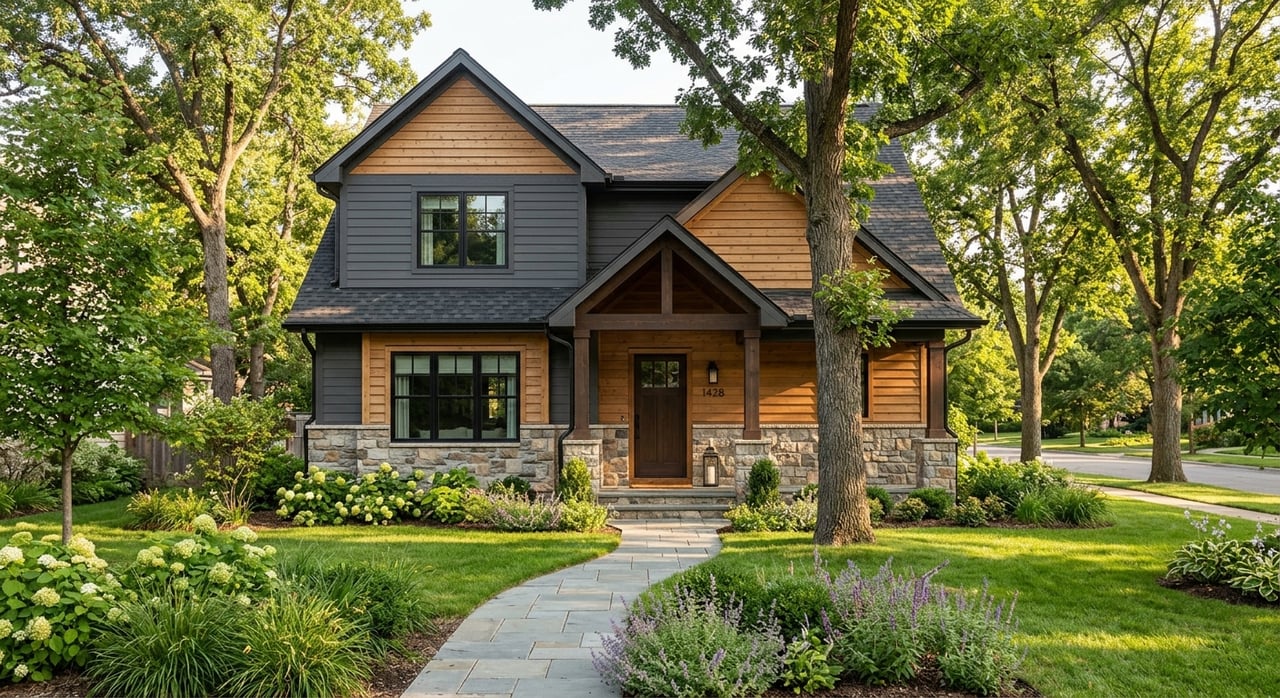
Based on the town’s compact footprint, rural roadways, and surrounding farmland described in tourism and community sources, it is reasonable to think of Manhattan housing as a mix of a small in-town core and nearby rural-residential or acreage opportunities. In practical terms, that can appeal to buyers looking for different lifestyle setups, from in-town convenience to a little more breathing room outside the center of town.
Who Manhattan May Be Right For
Not every town fits every buyer, and that is a good thing. Manhattan may be especially appealing if you are looking for:
- A smaller community with a strong local identity
- A home base in Gallatin Valley with access to Bozeman
- Proximity to outdoor recreation without living in a larger city
- A market with a more established, owner-occupied feel
- Potential options that range from in-town living to rural-residential settings
It can also be a strong option if you value place-based character. Manhattan’s agricultural roots are not just historical trivia. They still shape the community story and help distinguish it from other parts of the valley.
What Buyers Should Keep in Mind
Small-town markets come with advantages, but they also require clarity. Because Manhattan has a limited housing base, available homes may be fewer at any given time, and the right property can require patience.
It also helps to think beyond the house itself. In a market like Manhattan, your decision may come down to the kind of daily life you want, such as whether you prefer an in-town setting, a more rural property, easier access to events, or more space around you.
That is where local guidance matters. Understanding how Manhattan fits into the broader Gallatin Valley can help you compare it thoughtfully with nearby options and move forward with confidence.
Why Local Guidance Helps
When you are exploring homes in Manhattan MT, the goal is not just to find a property. It is to find the right fit for your lifestyle, timeline, and long-term plans.
That is especially true in smaller markets, where inventory, setting, and location within the community can shape your experience as much as the home itself. A local advisor can help you evaluate tradeoffs, understand the broader Gallatin Valley context, and stay ready when the right opportunity appears.
If you are thinking about buying or selling in Manhattan or anywhere in the Gallatin Valley, Kelley Schlauch can help you navigate the process with local insight, clear communication, and a practical approach tailored to your goals.
FAQs
What is small-town living like in Manhattan, Montana?
- Manhattan offers a compact community feel, a strong agricultural identity, local events like the summer farmers market and Potato Festival, and convenient access to outdoor recreation in the Gallatin Valley.
What types of homes can you find in Manhattan MT?
- Based on the town’s size and surrounding landscape, buyers may find a mix of homes in a compact in-town area along with nearby rural-residential properties and acreage settings.
Is Manhattan MT close to Bozeman?
- Yes. Manhattan is about 20 miles west of Bozeman, which makes it a practical option for buyers who want a smaller-town setting within reach of a larger regional hub.
What is the housing market like in Manhattan Montana?
- Manhattan has a small housing base and a relatively stable ownership market, with Census data showing 938 housing units and a median owner-occupied home value of $517,800.
What outdoor activities are available near Manhattan MT?
- Nearby activities include fishing, rafting, hiking, biking, horseback riding, hunting, access to the Gallatin River, the Headwaters Trail System, Missouri Headwaters State Park, and winter activities like skiing and snowshoeing.