Curious what daily life in Bozeman actually feels like once the Instagram glow fades? You are not alone. Between the mountains, a lively small-city scene, and fast growth, it helps to know the rhythms, costs, and tradeoffs before you commit. In this guide, you will learn how each season shapes your week, what to expect with housing and commuting, and where the local lifestyle really shines. Let’s dive in.
The Bozeman feel
Bozeman blends a walkable downtown, a public research university, and quick access to rivers and mountains. You get a college-town pulse with restaurants, breweries, and arts, plus a steady flow of visitors who come for Yellowstone and skiing. The economy mixes higher education, healthcare, tourism, outdoor brands, and a growing remote-work crowd.
Recent growth fuels a vibrant scene and better services, but it also brings higher housing costs and busier roads. You will hear conversations about growth, short-term rentals, and infrastructure. The upside is strong amenities for a city this size, with a distinctly outdoors-first culture.
Seasonal rhythm to expect
Daily life in Bozeman is truly seasonal. Your plans, gear, and even commute patterns shift with the weather.
Winter essentials
Winter typically runs from November into March with real cold and regular snow. Many residents rely on AWD or good winter tires, and you will want to plan for snow removal and higher heating bills. Outdoor time pivots to skiing, snowshoeing, and ice activities, with Bridger Bowl close by and Big Sky farther south. If you venture into the backcountry, avalanche awareness is important.
Spring and fall shifts
Spring can flip from sunshine to wet snow, and trails often stay muddy while runoff peaks. You get a short window for yard work and exterior projects before summer takes off. Fall is crisp and beautiful, but it can be brief with early freezes, so plan your maintenance list accordingly.
Summer highs and smoke
Summer is warm, sunny, and packed with long daylight hours. You will find evening hikes, river days, and a full slate of festivals and events. Trailheads and scenic routes get busier, and lodging fills with visitors. Some years bring late-summer wildfire smoke that can affect air quality, so locals keep an eye on conditions and adjust outdoor plans when needed.
Getting around town
Most residents use a car for daily life, though walkability and bike access are better near downtown and Montana State University. Commute times are moderate, with more congestion during peak growth and tourist seasons. Public transit options exist but are limited compared with larger cities, so you will want to check routes if you hope to rely on a bus. Air travel is a strong perk, with Bozeman Yellowstone International Airport offering convenient connections that support both residents and tourism.
Housing and budget reality
Housing is the biggest line item for many households. Demand has outpaced supply over the past decade, pushing prices up and tightening the rental market. Other everyday costs like groceries, utilities, and transportation are closer to national norms, though some specialty items can cost more than in larger metros. If you are moving from a lower-cost area, build a buffer for housing, property taxes, and insurance.
Renters should be prepared for competition, especially around the academic calendar or during peak relocation months. Buyers often weigh tradeoffs between in-town convenience and newer subdivisions that offer more space.
Where people live
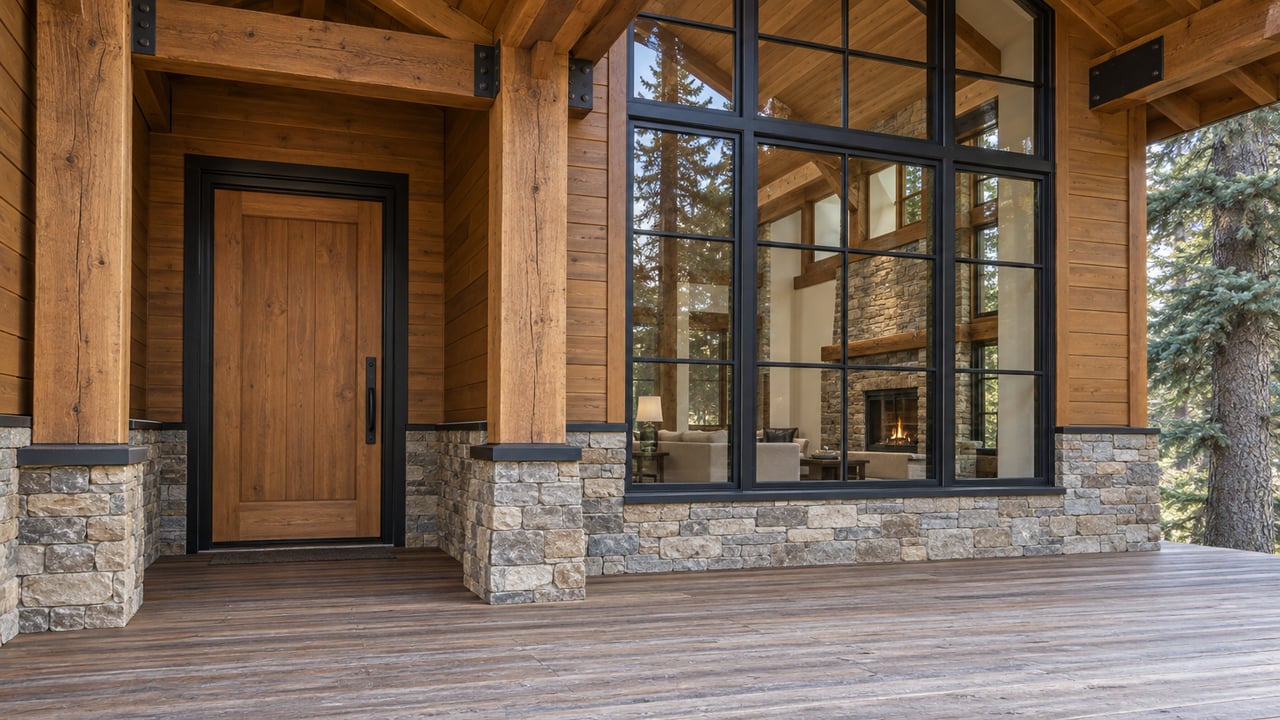
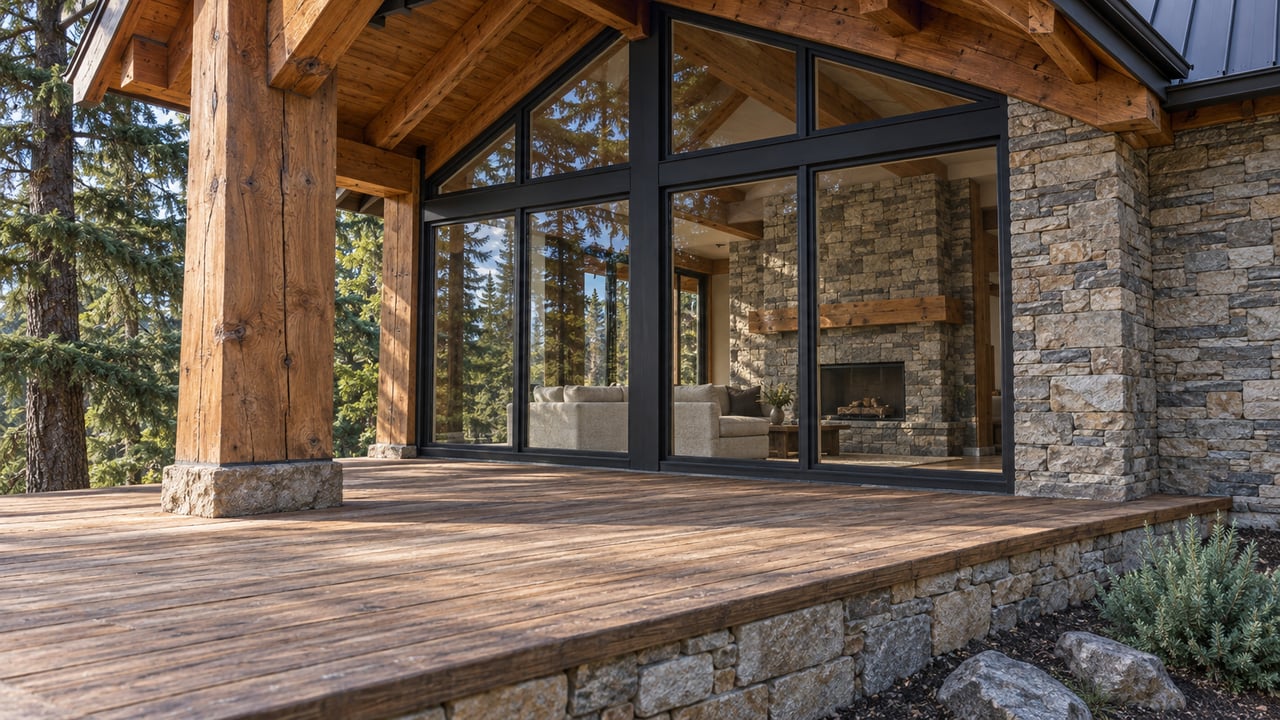
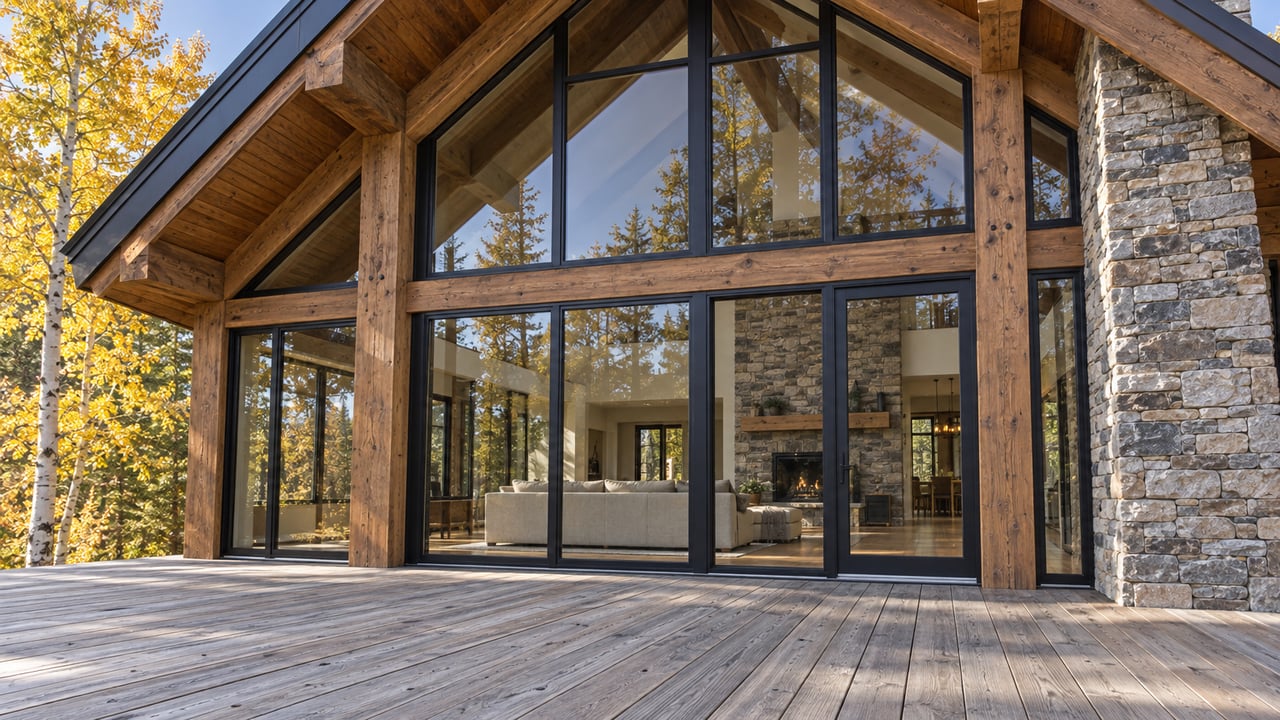
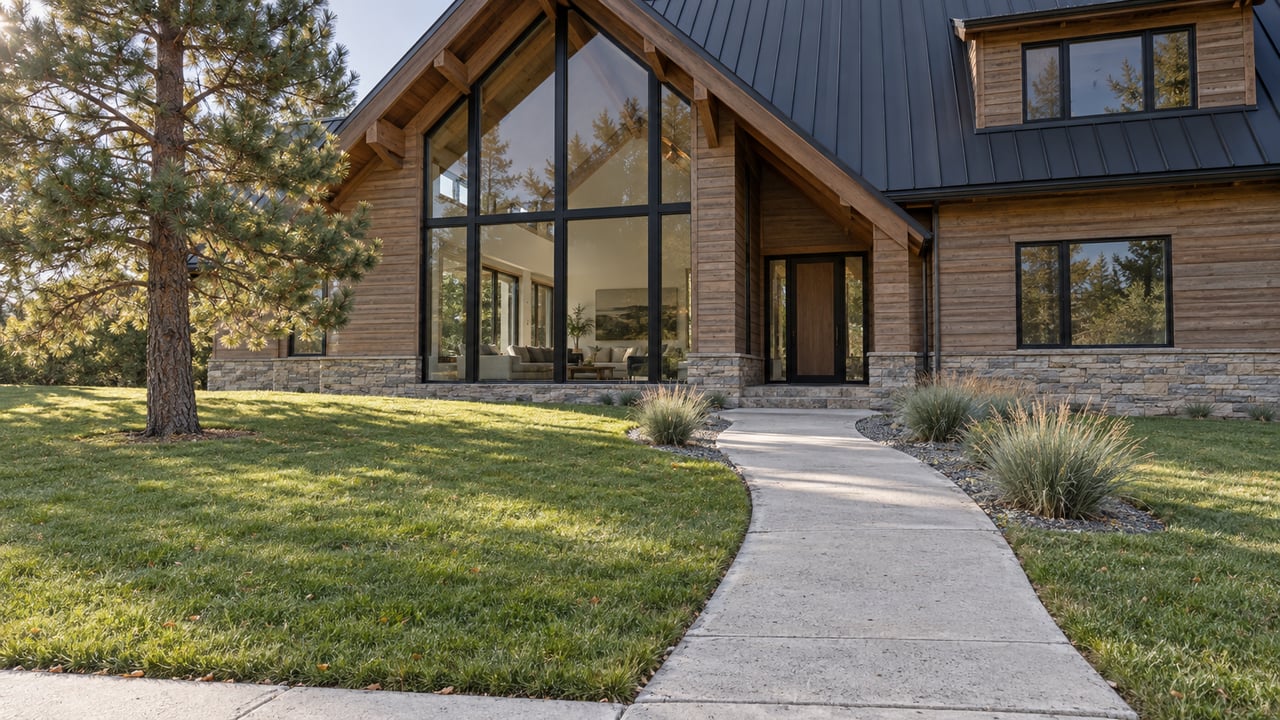
You will see a mix of housing types across the city and valley. Near downtown, historic bungalows and craftsman homes sit on tree-lined streets. Established neighborhoods offer mid-century homes and infill builds, while newer subdivisions feature contemporary single-family homes, townhomes, and condos. In the county, rural acreage and mountain properties appeal to those seeking space, privacy, or views. Each option trades proximity for privacy, and convenience for elbow room.
Daily services and care
Day to day, you can handle nearly everything in town. Groceries range from standard chains to a local co-op with natural and specialty options. Bozeman functions as a regional healthcare hub with hospital services and specialists. For highly specialized care, some residents travel to larger regional centers. Public schools serve the city, and MSU adds arts, lectures, and athletics that punch above the city’s size.
Outdoor access highlights
Outdoor access is one of Bozeman’s defining advantages. You can hike, bike, climb, and fish within minutes of town, then switch to Nordic or downhill skiing in winter. Rivers, trail systems, and public lands are part of the weekly routine for many residents. Yellowstone National Park is within about one to two hours by car, which makes weekend adventures realistic, especially in shoulder seasons.
If you play outside year-round, keep a simple kit in your vehicle. In winter, that means a scraper, warm layers, and a small emergency stash. In summer, bring water, sun protection, and a plan for changing weather at higher elevations.
Culture and community life
Downtown stays lively with restaurants, coffee shops, breweries, live music, and galleries. Summer brings farmers’ markets, art walks, outdoor concerts and events that fill the calendar. MSU contributes performances, lectures, and college sports. The community includes long-time locals, students, and transplants who bring new ideas. You will feel that mix in both the energy and the ongoing conversations about growth.
Fit and tradeoffs
Bozeman tends to fit people who want a small-city lifestyle with big outdoor access. Remote workers, university-connected professionals, and families who value community amenities often thrive here. Tradeoffs are real. Housing affordability can be a hurdle, wildfire smoke can affect a few weeks of summer, and winter requires cold-weather readiness. If you prefer extensive public transit, big-city services, or very low housing costs, you may find daily life challenging. Montana doesn't want to be changed to fit your needs, it expects you to change to fit in here.
Moving prep checklist
Use this quick list to set expectations and smooth your landing.
- Budget for housing as your top expense, with a buffer for taxes and insurance.
- Plan for winter readiness: tires, snow gear, and a basic car kit.
- Map your commute and confirm transit or bike options near your home.
- Expect busier summer trailheads and plan early starts or alternate routes.
- Consider air quality plans in late summer, especially if you are sensitive to smoke.
- Schedule home maintenance to match the short spring and fall windows.
Local guidance that helps
Bozeman’s strengths and tradeoffs show up in the details of your day. A local advisor helps you weigh neighborhood options, plan for seasonal realities, and navigate a competitive market with less stress. If you want a clear path to the right fit, reach out to Kelley Schlauch for area insight, neighborhood guidance, and a smooth purchase or sale experience.
FAQs
What is winter like in Bozeman?
- Expect sustained cold, regular snowfall, and winter-ready driving, with many residents using AWD or quality snow tires. Bozeman also has some of the most sunny days in the state, no matter the season.
Is Bozeman public transit enough for daily work?
- Transit options exist but are limited compared with larger cities, so most commuters rely on a car for everyday travel. The public bus system is constantly expanding & many people commute by bike.
How far are Yellowstone and ski areas from Bozeman?
- Yellowstone is roughly one to two hours by car depending on route, with Bridger Bowl nearby and Big Sky farther south.
What should I budget for housing in Bozeman?
- Plan for housing as your largest expense, with higher entry costs than much of Montana due to strong demand and tight supply.
How does wildfire smoke affect summers in Bozeman?
- Some late summers see smoky days that impact air quality, so residents monitor conditions and adjust outdoor time when needed.
What healthcare is available in Bozeman?
- Bozeman serves as a regional healthcare center with hospital services and specialists, though some advanced care may require travel.